🔬 My Microscope Lab: Onion Cells & Vacuoles
Because unstained cells are almost completely transparent, light shoots right through them. When we added a drop of iodine solution, the chemical stained the genetic material and membranes amber-brown, making the round nuclei clearly visible under 100× and 400× magnification!
Photo 1: The "Brick Wall" View (100× Zoom)
Photo by Zefan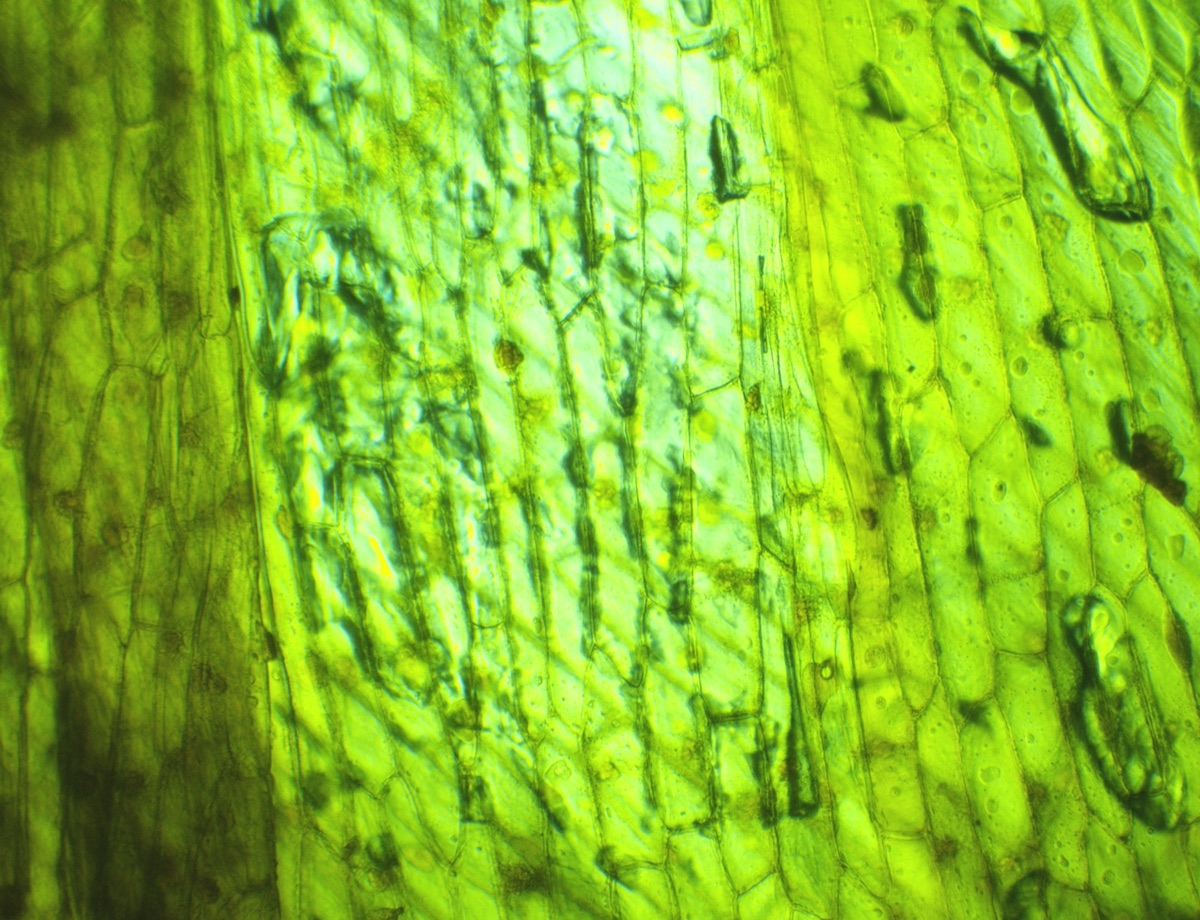
- The Brick Wall Grid: Notice how the plant cells are long and rectangular, arranged in neat columns. That is because of their rigid cellulose cell walls!
- The Amber Nuclei: Look closely on the right-hand side. Notice those small yellowish-amber dots? Those are the nuclei!
- Tissue Fold: In the middle-left, the paper-thin onion skin folded over itself, creating a bright double layer of cells.
1. What is inside the Vacuole?
It is filled with a watery liquid called Cell Sap (sel sap). Cell sap contains water, dissolved sugars, mineral salts, and in onions, special sulphur compounds that turn into spray and make your eyes water when you chop an onion! 🧅😢
2. The Water Balloon in a Cardboard Box Analogy:
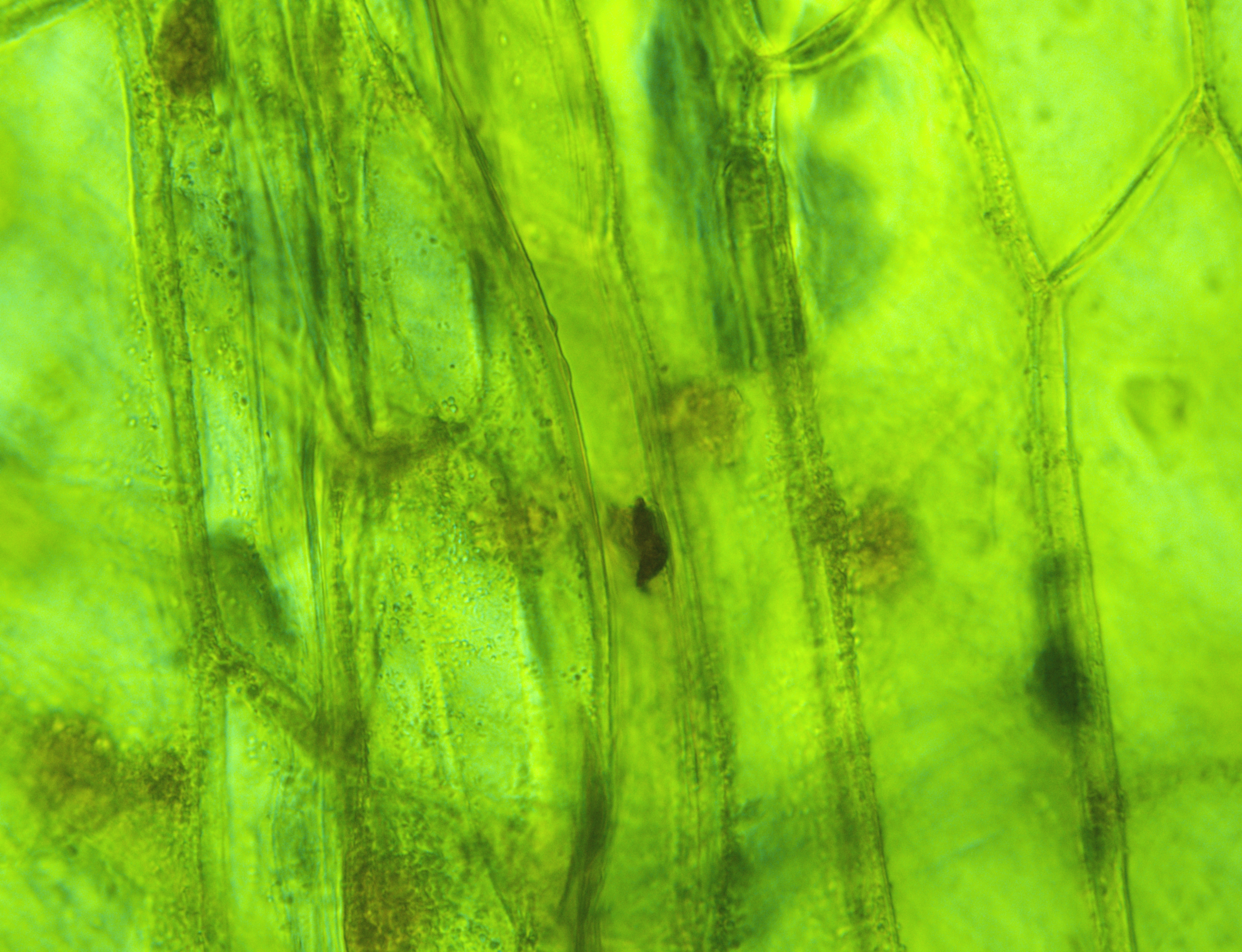
3. Did we spot it in Photo 2 below?
YES! You are looking at it across almost the ENTIRE photo! Because cell sap is clear and watery, light passes straight through it. That is why the middle of each cell looks bright, open, and translucent! And notice how the nucleus and cytoplasm are squished against the outer walls? The giant invisible vacuole is the water balloon pushing them there!
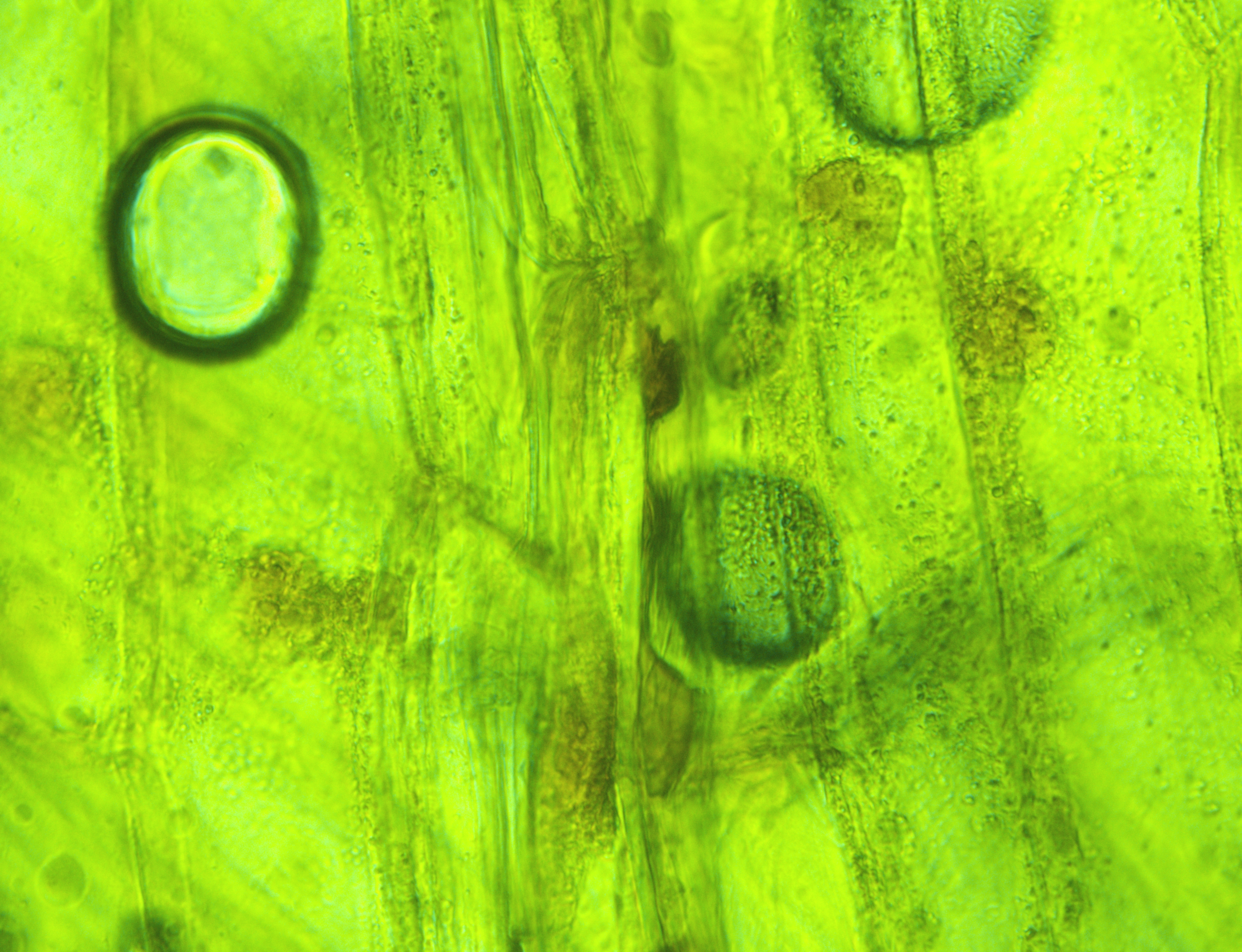
In the top-left corner, there is a round circle with a very thick, black ring. That is an air bubble trapped when lowering the coverslip! Science teachers frequently put pictures of air bubbles on exam papers to see if students mistake them for cells.
💡 How to tell them apart: Air bubbles are round with heavy black borders. Real plant cells are rectangular with fine walls!